Marietta, Georgia · Est. 1979
Restoring comfort and mobility through decades of hands-on expertise. Specialized neuromuscular therapy, TMJD treatment, and craniostructural massage.
What We Do
Specialized therapeutic approaches tailored to your unique needs.
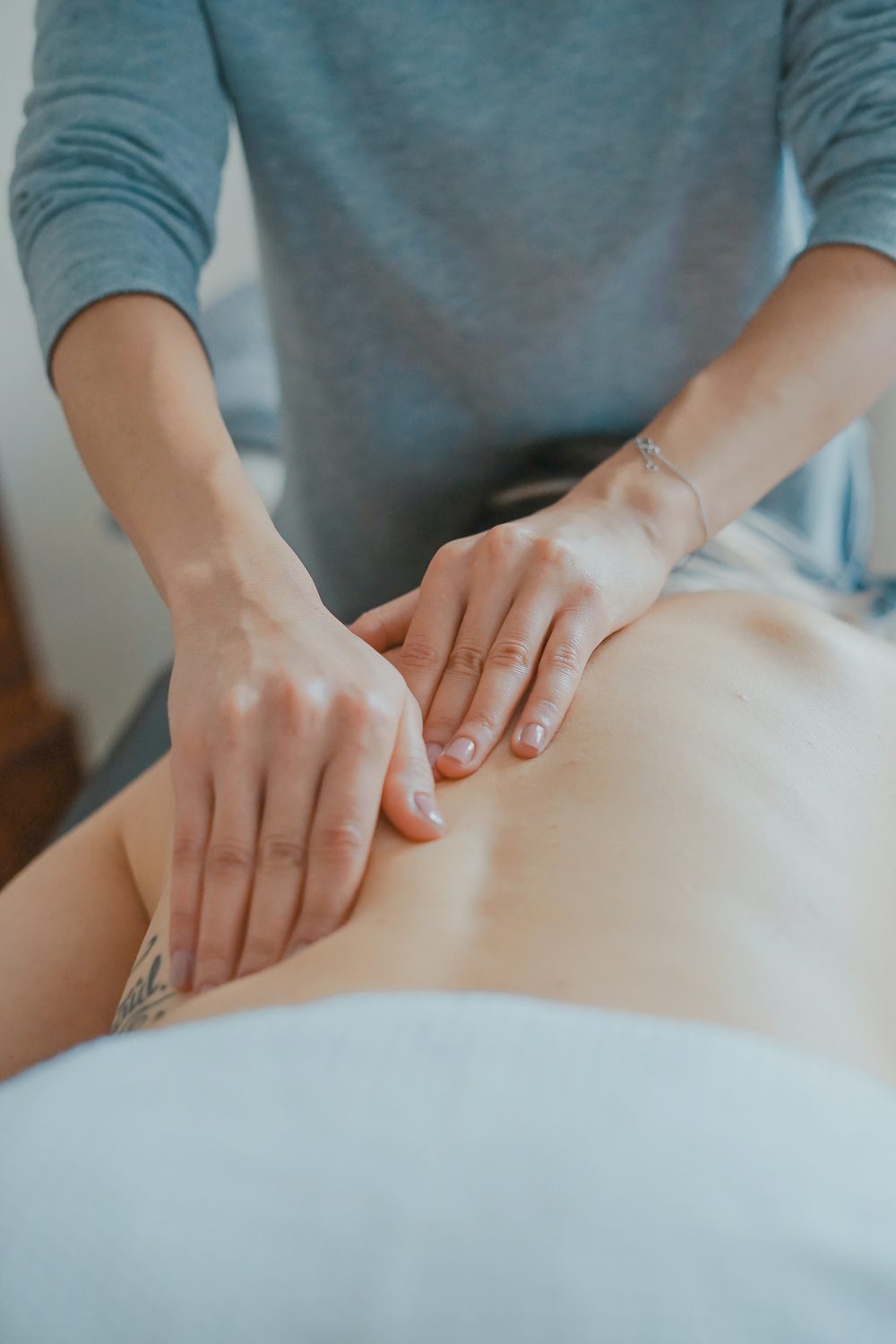
Targeted deep tissue work addressing pain, tightness, and dysfunction.
Specialized treatment for temporomandibular joint dysfunction.
Gentle cranial and spinal alignment to enhance CSF flow.
Slow, sustained pressure to restore pain-free motion throughout the body.
Precise held postures to lengthen and activate tight muscle groups.
Our Story

Senior Therapist · L.M.T., N.M.T., M.F.R.T.
Senior Therapist at Northside Neuromuscular Center, licensed in Georgia and Florida. His practice focuses on pain management and the restoration of pain-free motion in the cranium, jaw, neck, shoulders, and pelvis.
He specializes in Temporomandibular Joint Dysfunction/Syndrome and collaborates with orthodontists, dentists, chiropractors, and physical therapists.

Office Manager · CPT, C.E.S., Cert. Pilates Specialist
Whitney is the Office Manager/Patient Care Specialist for Northside Neuromuscular Center. Whitney joined the staff in February 2018. Before joining the team, she managed a Massage Envy clinic with eight therapists, focusing on administration, customer service, and sales. She later opened her own business as a Personal Trainer and Pilates Specialist and now brings her organizational skills and warm personality to her role as Jeff’s Office Manager and Patient Care Specialist.
Contact Us
Phone
Hours
Monday – Saturday
8:30 AM – 6:30 PM
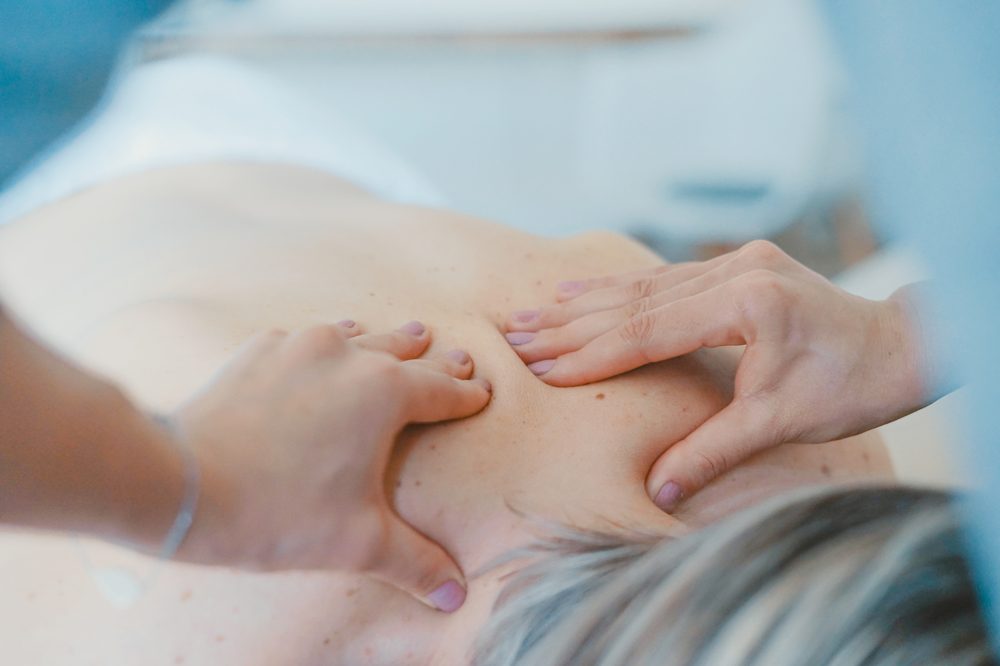
Neuromuscular Therapy (NMT), American style, is a specialized form of therapeutic massage that targets muscle tissue to address issues like pain, tightness, and dysfunction. It utilizes a combination of postural assessment and palpation followed by the application of different soft tissue therapies focused on treating the neuromuscular system (which involves both muscles, fascia and the central nervous system).
NMT aims to restore balance and function in the body by addressing specific tender points (localized muscle spasms) and trigger points (localized muscle spasms with associated referral pain to other adjacent structures) and correcting imbalances caused by muscle overuse, injury, or postural problems.
NMT also emphasizes understanding the body’s biomechanics and muscle function, with the therapist evaluating how muscles are affecting posture, movement, and pain. It is commonly used to treat conditions like chronic pain, sports injuries, whiplash, sciatica, and headaches and jaw pain. The approach often involves collaboration with other healthcare professionals (like Doctors, Physical Therapists, Chiropractors, Dentists, Orthodontists and Myofunctional Therapists) for a more holistic treatment.
Although Neuromuscular Therapy has received some bad press for being aggressive, a skilled NMT therapist will always work within the pain threshold of each patient by receiving feedback from the patient throughout the session to achieve the best result.
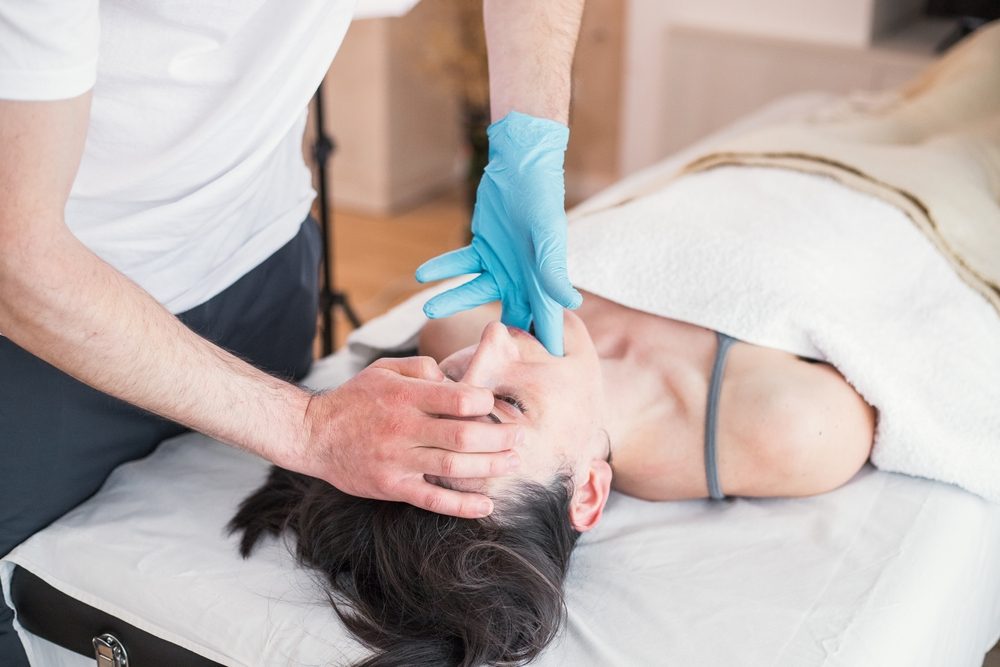
TMJ is short for Temporomandibular Joint. It is the most complicated and important set of joints in the human frame, with architecture that is unique in the body. Made up of two bones of the head and two boney ends of the jaw, it has a joint capsule filled with fluid for lubrication and nutrition for the internal structures.
When these two joints, found just in front of the ears and just below the cheek bones, become dysfunctional and painful due to traumas to the face, head, neck and jaw — like auto accidents, falls, fights, changes to the bite, tooth loss, fillings, long fatiguing dental sessions and chronic developmental breathing problems — many experts would say a person has developed TMJD. The “D” stands for disorder or dysfunction.
A person with TMJD will often have other symptoms as well: headaches in various areas of the head (especially in the temple region just above and in front of the ear), pain in the neck (especially at the base of the skull), pain in the shoulders (especially in the thick trapezius muscles), and pain in the low back and pelvis, which often happens as a compensation for the postural changes that accompany TMJD misalignments in the jaw, head, and neck.
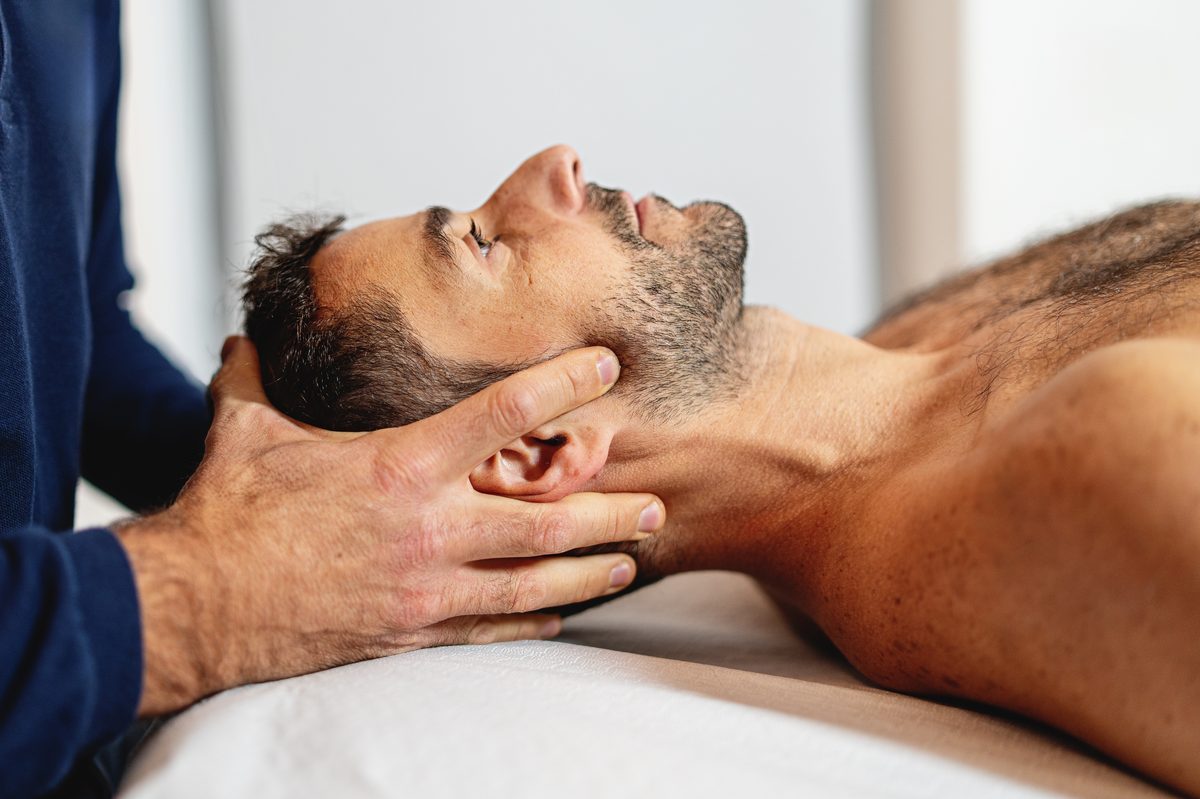
Craniostructural Massage has emerged as an effective option for pain relief and dysfunction. This technique is a marriage of basic Structural Integration Massage Techniques with Cranial decompressions. These therapy systems use very gentle manipulations of the myofascial, cranial fascia and the dura that surrounds all the cranial structures, which continues around the spinal cord all the way down to the front of the tail bone.
These therapies are based on the idea that misalignments in the bones of the skull, as well as in other skeletal structures, can affect the flow of cerebrospinal fluid (CSF) and contribute to a variety of health issues.
Craniostructural Therapy protocols are designed to address misalignments and dysfunctions within the cranial and spinal structures that may affect overall health. Using gentle, manual techniques, CST works to restore balance, enhance the flow of cerebrospinal fluid, and support the body’s self-healing mechanisms. Its applications range from treating chronic pain to improving neurological function, with the goal of promoting long-term wellness.
Given the chronic nature of pain, most patients require regular treatment intervals at first and then over time, based on their body’s response, less therapy, less often.
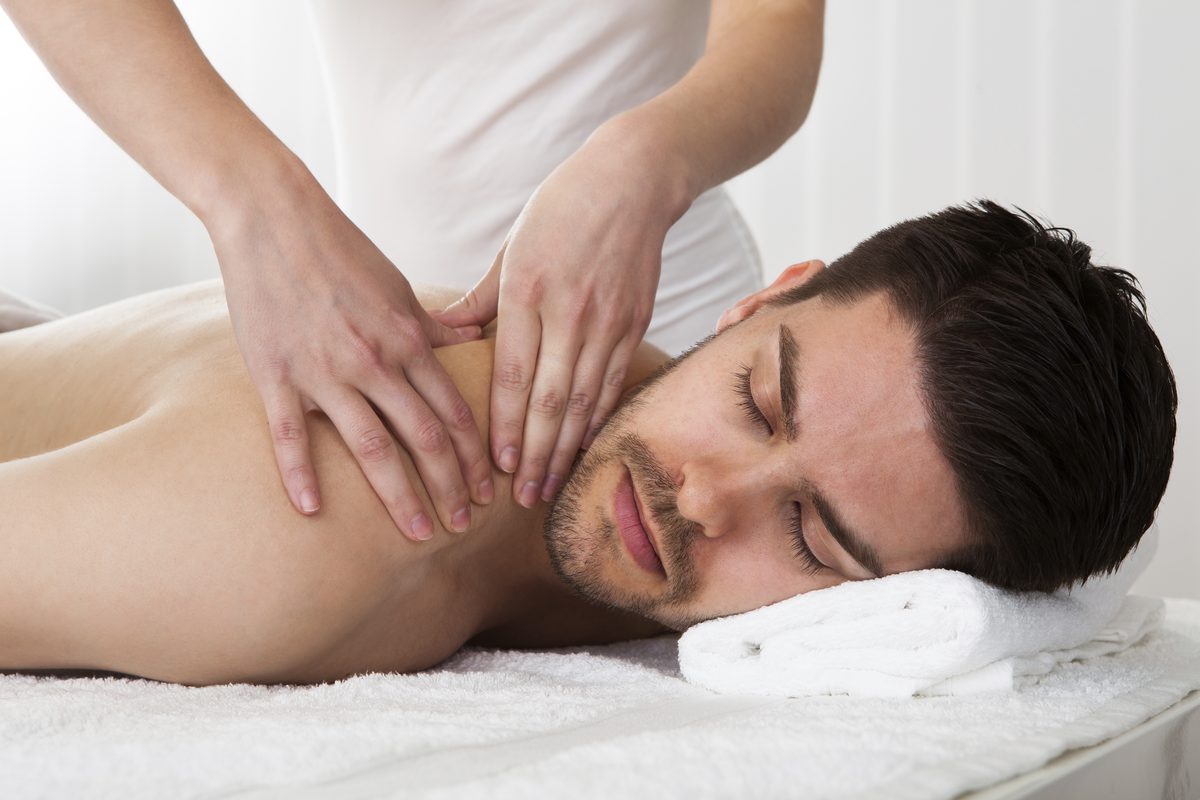
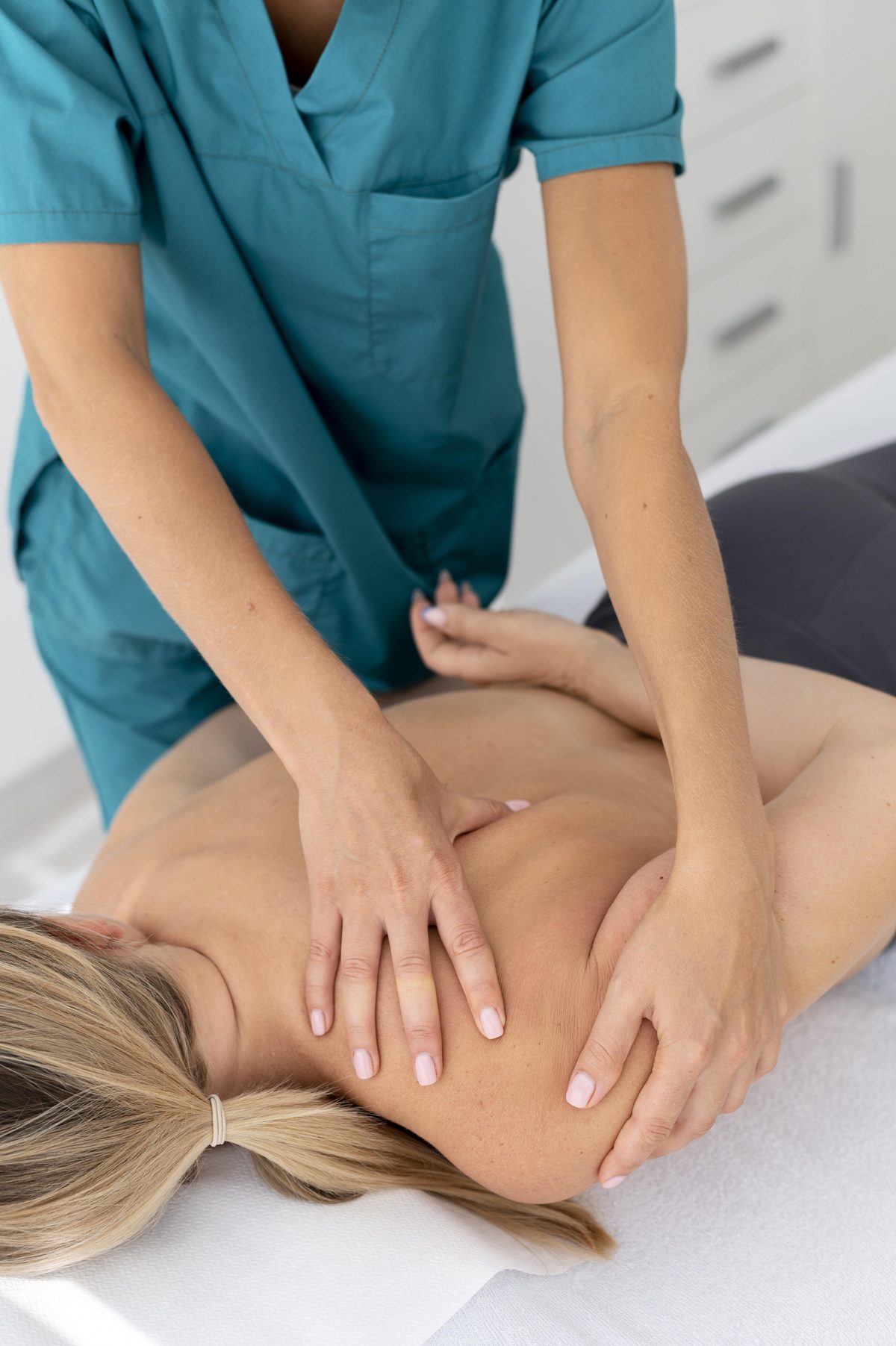
Myofascial Release is a very effective hands-on massage technique that utilizes slow, sustained, direct and indirect pressure to painful, restricted areas of the musculo-fascial system to restore pain-free motion to the joints and muscles of the body.
The myofascial system is a connective tissue system that forms a wrapping around every structure of the body. It forms the immediate environment of every cell of the human body. Under normal conditions, minus any excessive stress or trauma, this connective tissue has a relaxed and wavy architecture. It stretches and moves without restriction to provide protection and stability where needed.
Properly applied, gentle Myofascial Release techniques begin to unwind and unbind the accumulated tension in the myofascial/connective tissue system. It uses slow but deep direct pressure deeply stretching the myofascia. This gradually and sometimes suddenly removes tremendous pressure from the fascial system allowing blood, lymph, and nervous system energy to flow. The body then can begin to restore itself by way of the existing, activated repair mechanisms in the tissues that have received therapy.
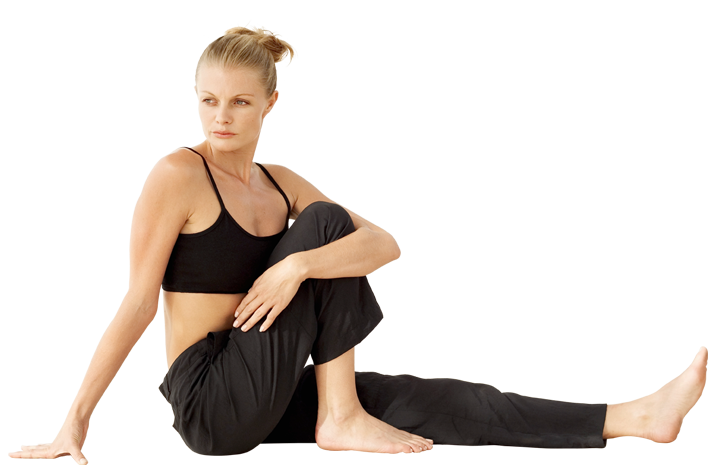
Active Isolated Stretching is a series of extremely specific, exact, held postures designed to gently lengthen and strengthen tight and sore musculofascial-tendon units throughout the body. The purpose is to reset and activate them back to or close to their original, ideal length. This can be done during or after a massage session.
Senior Therapist
L.M.T., N.M.T., M.F.R.T., Craniostructural Therapist
Jeff Remington, Senior Therapist at Northside Neuromuscular Center, is a licensed Massage Therapist in Georgia and Florida. He has been in practice for 46 years in the Marietta, Georgia area. His practice is primarily focused on pain management and the restoration of pain free motion in the Cranium, Jaw, neck, shoulders, and pelvis. He uses a combination of Neuromuscular Therapy (American style), Myofascial Release (Barnes style), Visceral manipulation (the Barral system), and Craniostructural Release (McCann / Hancock) to gradually bring the body back into structural integrity.
His specializes in Temporomandibular Joint Dysfunction/Syndrome, and he collaborates with Orthodontists, Dentists, Chiropractors, Physical Therapists, Acupuncturists, Pain Management Doctors, and Myofunctional Therapists to help people navigate the complex journey towards balancing this unique neuro- structural system of the human body.
TMJ Syndrome is complex and requires a multidisciplinary approach to bring about correction and maintenance of those corrections. Jeff has dedicated his entire career to staying on the forefront of therapy approaches to a problem that effects 12% of the general population and even higher percentages that are undiagnosed. His purpose as a Massage Therapist is to help his patients to live a more stress free, pain free movement lifestyle.

Office Manager
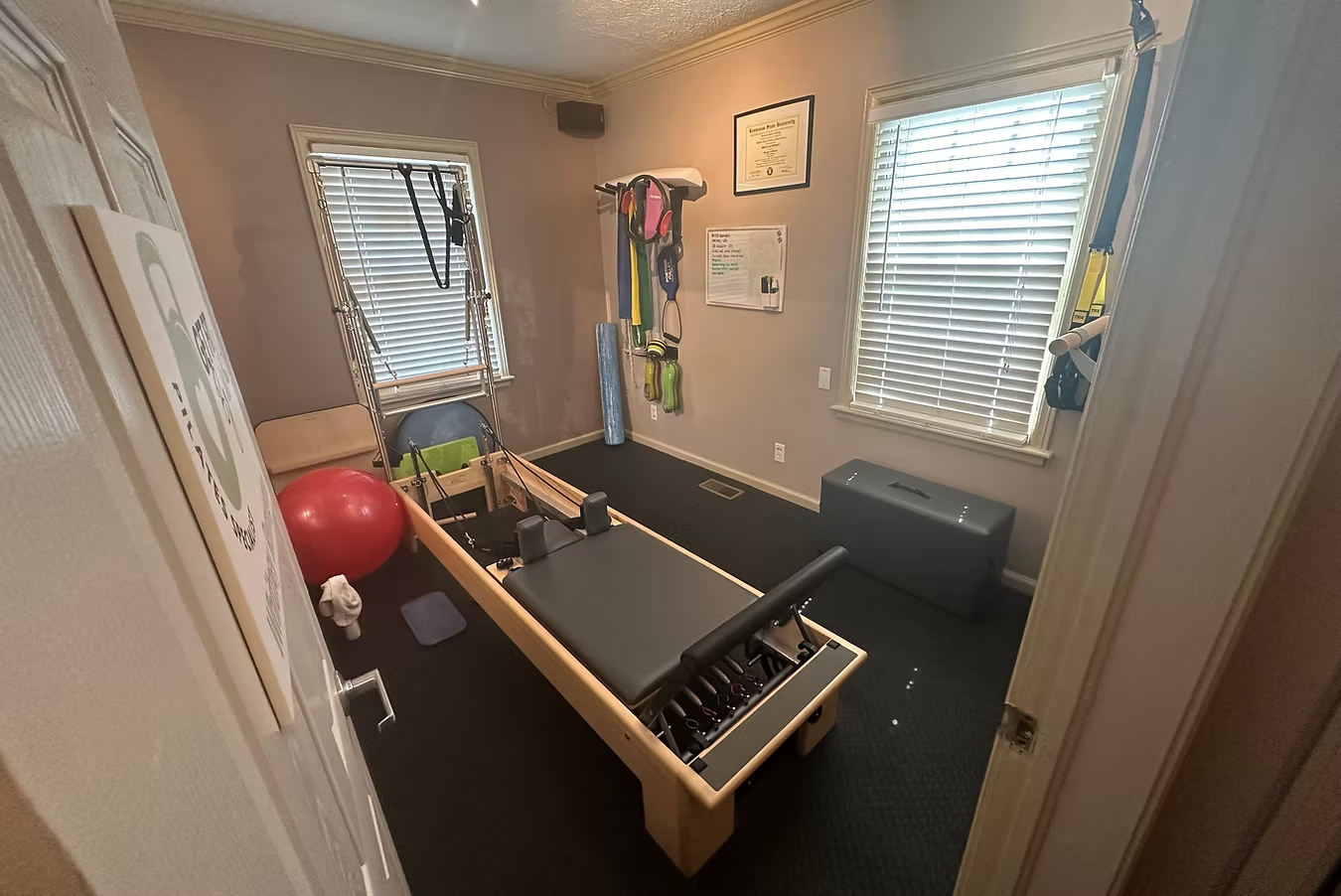
CPT, C.E.S., Certified Pilates Specialist · Get Fit by Whit
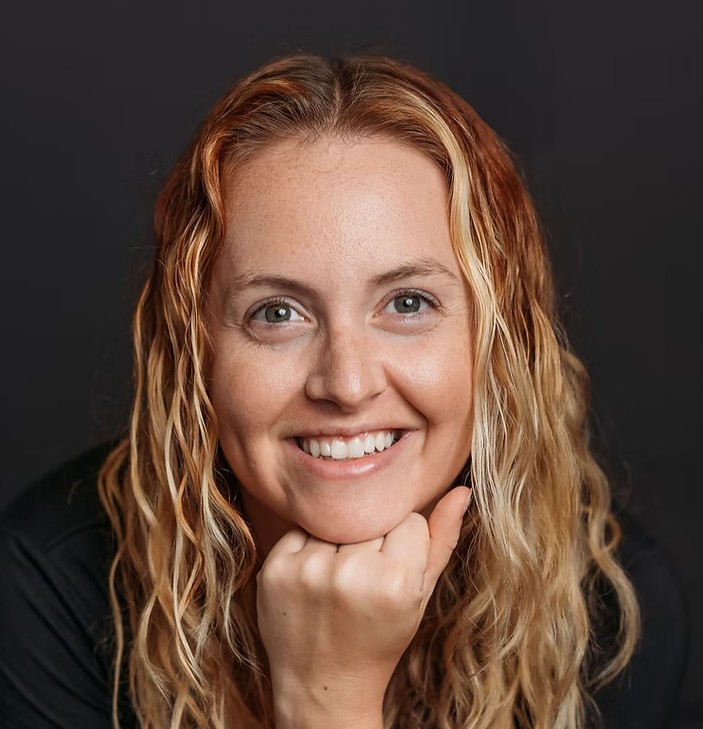
Whitney is the Office Manager/Patient Care Specialist for Northside Neuromuscular Center.
Whitney joined the staff in February 2018. Before joining the team, she managed a Massage Envy clinic with eight therapists, focusing on administration, customer service, and sales. She later opened her own business as a Personal Trainer and Pilates Specialist and now brings her organizational skills and warm personality to her role as Jeff’s Office Manager and Patient Care Specialist.
Whitney is the go-to person for scheduling, administrative tasks, and client communications. Outside of work, she enjoys spending time with her daughter, Sophia, as well as her boyfriend and friends, whether through family outings or fun activities together. She is currently growing her practice as a personal trainer and mastering her skills as a Pilates and Corrective Exercise Specialist. Her dream is to one day become a Master Trainer of Pilates Instructors and own her own Pilates and Corrective Exercise Performance Center.
Our Partners

Senior Therapist

Office Manager
Always consult your doctor to determine if you are a candidate for deep tissue therapies. If possible, try to schedule your massage at a day and time that allows you to relax afterwards.
Start Vagal breathing before, during, and after your massage (4 second inhalation nasal / 8 second exhalation through mouth). This calms the central nervous system. Stay hydrated before and after as well. Gentle exercise and stretching are also beneficial, if appropriate, and will prime the muscles for more effective releases during the session.
On your first session you will have at least a 15-minute assessment to help your therapist determine the best course of therapy. The therapist will then leave the therapy room and allow you to undress to a level comfortable for you and lay either face down or up on the table. You will always be fully draped except for the area of therapy.
During the therapy session you will be encouraged to give your therapist as much feedback as possible. Gentle, mildly painful pressure by your therapist elicits the most positive neuromuscular changes. It’s your body and you always oversee the session.
A deep massage is like passive exercise and, like a new exercise done in the gym, you can experience some soreness for 1–3 days depending on how well your metabolism processes the wastes that are typically released during and after the session.
The increased circulation of blood and lymph (which cleans your blood of impurities) is usually involved in creating the soreness along with your central nervous system responding to the stimulation of the bodywork. Over time your body adapts more effectively to the stimulation of the massage just like it does with exercise. No two individuals are the same in their responses to massage.
Your therapist may suggest icing a tender inflamed part of your body or show corrective posture changes or movements to enhance the benefits achieved during the session. If your condition or pain becomes worse after the session, always be sure to communicate with your therapist.
Often your body has other underlying conditions that may preclude receiving maximum benefit from a deep massage session. Consult your doctor to determine if other referrals are necessary to further your healing progress.
Our Resources
Our Blog
Once posts are published, you’ll see them here.